


Photographing Blinds and Security Gates: Visual Documentation That Matters

When my client asked if I could photograph their blinds and security gate installations, I almost said no. It wasn’t glamorous. No dramatic lighting. No emotional narratives. Just… blinds being installed and security gates protecting storefronts.
But then I realized something: this was real work that mattered. And it needed real documentation.
Beyond Home Projects

Most people think of blinds as residential—you know, the living room window treatment. But my client does way more than that. They install roller blinds, vertical blinds, and security gates in homes, but also in retail storefronts and commercial spaces. A family’s bedroom window looks very different from a storefront security gate that needs to protect merchandise at night.
Each project told a different story. Each needed different photography.
The Challenge of Commercial Documentation
At first, I thought commercial photography would be easier than portraits or lifestyle work. No need for authentic emotion. No posing. Just document what’s there.
I was wrong. It was harder.
Photographing a finished blind installation in a home required showing the quality and craftsmanship while dealing with unpredictable home lighting. A security gate photo needed to clearly show how it works, what it protects, and why it matters—all in one frame.
I learned that good commercial photography isn’t about being pretty. It’s about being clear, accurate, and helpful. It’s about showing the client’s work so well that potential customers can see exactly what they’re getting.
Finding the Right Angles

I started experimenting with different approaches for different project types:
Home installations: Before and after shots showed the transformation. Wide angles captured how the blinds changed a room. Close-ups showed the quality of materials and installation details.
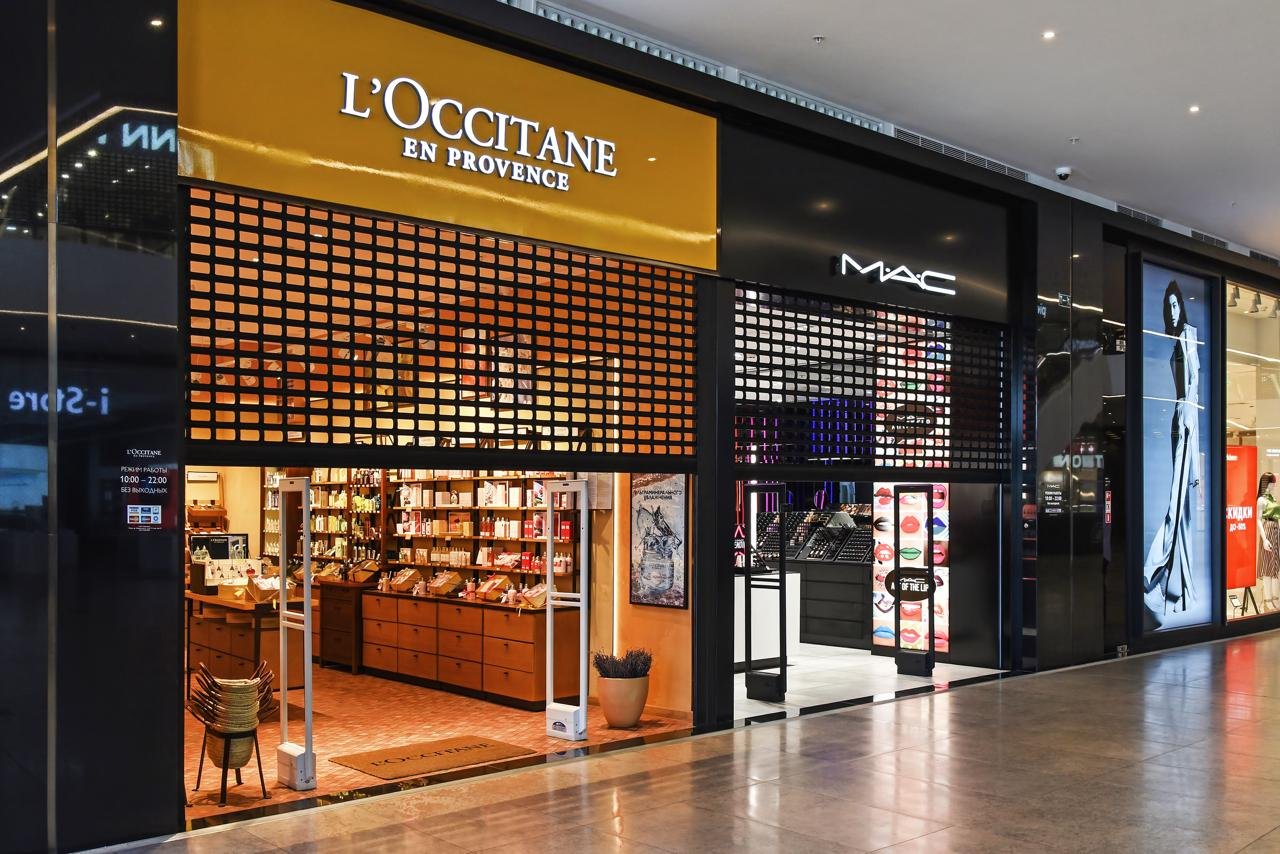
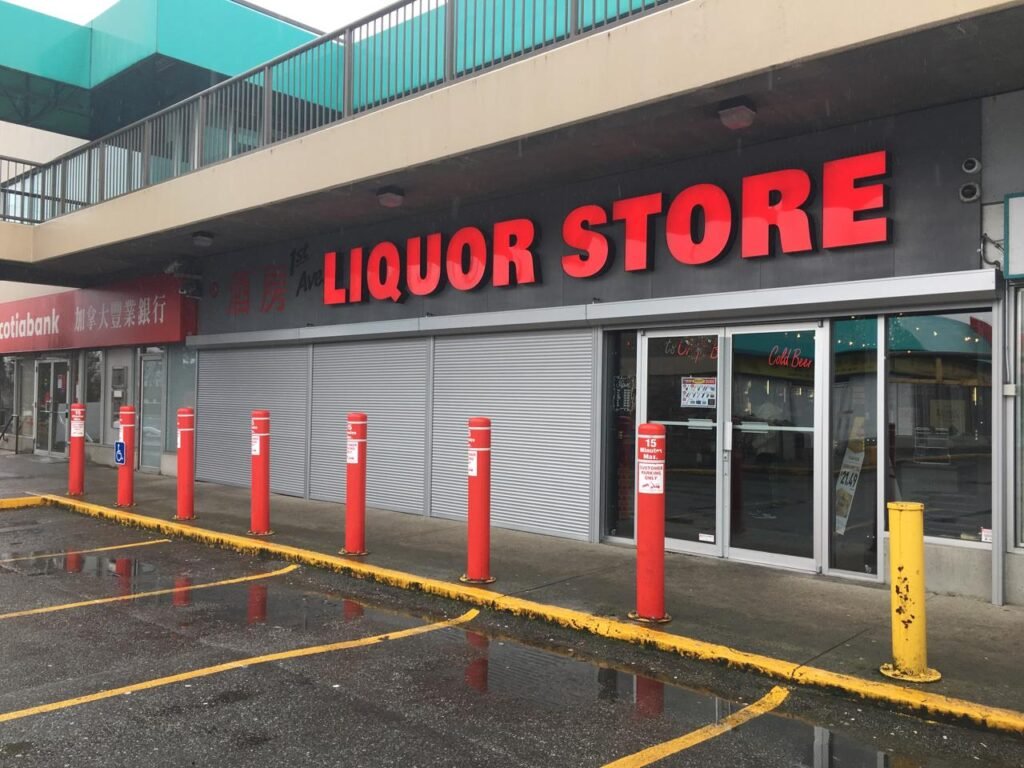
Storefront security gates: I photographed them both up and down to show functionality. Daytime shots showed the aesthetic. Evening shots showed how they secure the space. Details of the locking mechanism proved quality.
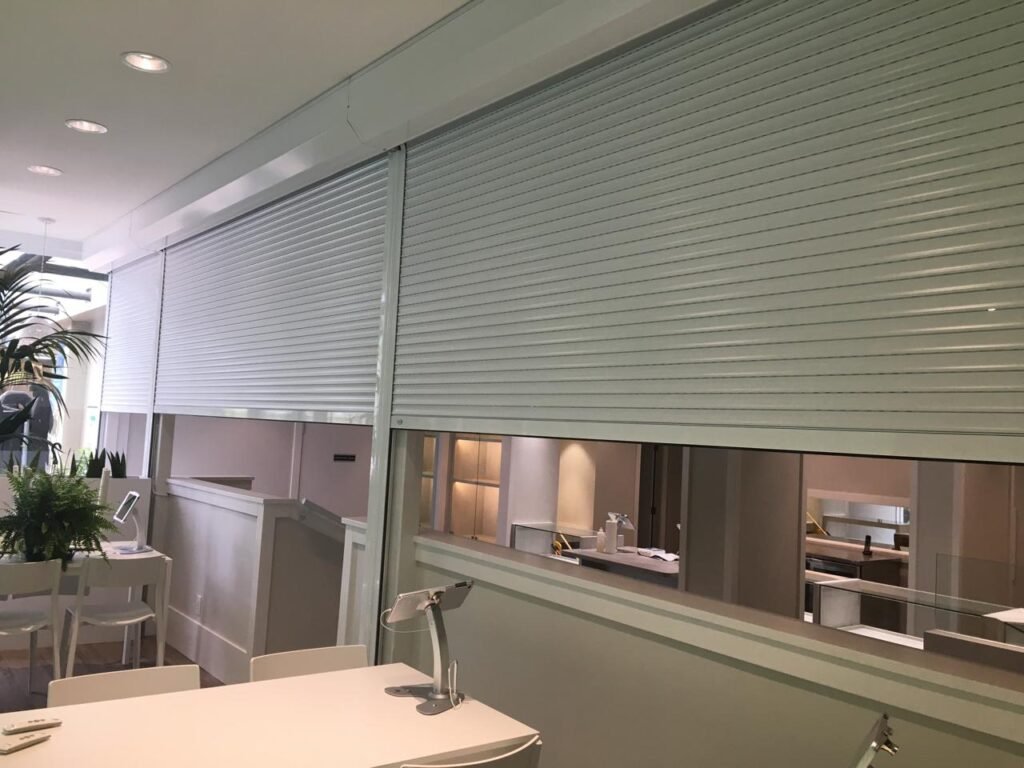
Documentation shots: I captured installations in progress to show the professional process. A client could use these to demonstrate expertise to future customers.
What Commercial Photography Taught Me
This work taught me something my other photography hadn’t: every image serves a purpose beyond aesthetics. A portrait captures emotion. A lifestyle photo shows passion. But commercial documentation? It sells.
I learned that clarity beats creativity here. A perfectly lit, artfully composed photo of a security gate is useless if it doesn’t clearly show what it does. But a straightforward, well-documented photo of an installation in progress? That builds trust.
I learned to photograph the details—the craftsmanship in the blind installation, the smooth operation of a security gate, the way materials fit together. These details matter to customers deciding whether to hire this company.
Why This Matters for My Portfolio
This work doesn’t belong in my “Random” section or fit neatly into Portraits, Lifestyle, or Product photography. It’s commercial documentation. It’s practical. It’s functional.
But it’s also real photography work. It shows I can adapt my skills to different purposes. It proves I understand that photography isn’t just about capturing beauty—it’s about solving problems and telling business stories.
Beyond the Camera
Working with my blinds and security gate client taught me that some of the most important photography isn’t the most glamorous. It’s the work that helps small businesses show their expertise and quality to potential customers.
Every installation photo helps someone decide: Do I trust this company? Does their work look professional? Will my space look good when they’re done?
That’s not a small responsibility. That’s exactly why I take these photos seriously.
Photography Serves Many Purposes
Not every photo needs to be art. Sometimes the best photography is the kind that helps a business succeed. If you’re learning photography, don’t ignore commercial work. It teaches you clarity, purpose, and the truth that great images solve real problems for real people.